

Pipe systems
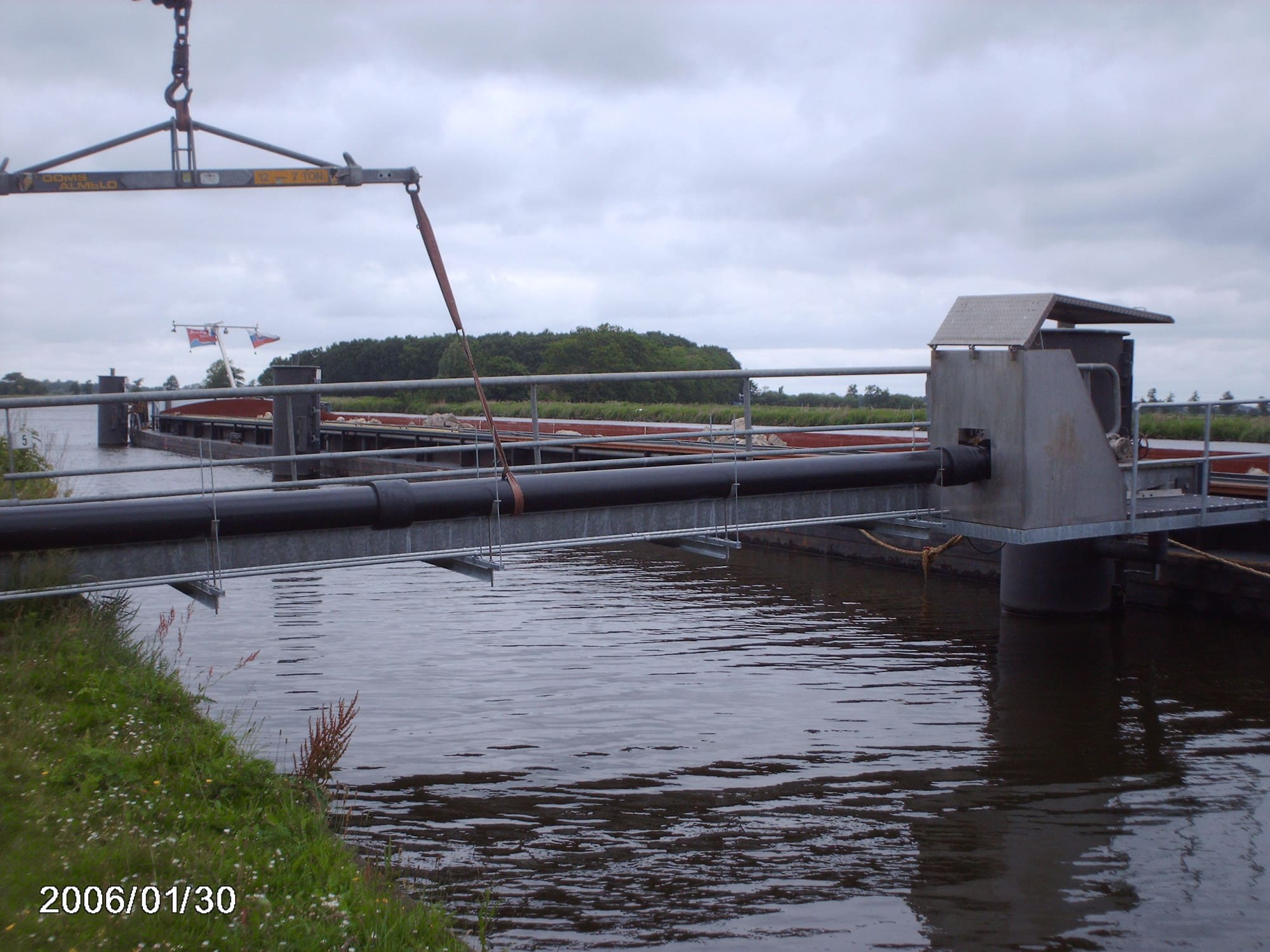
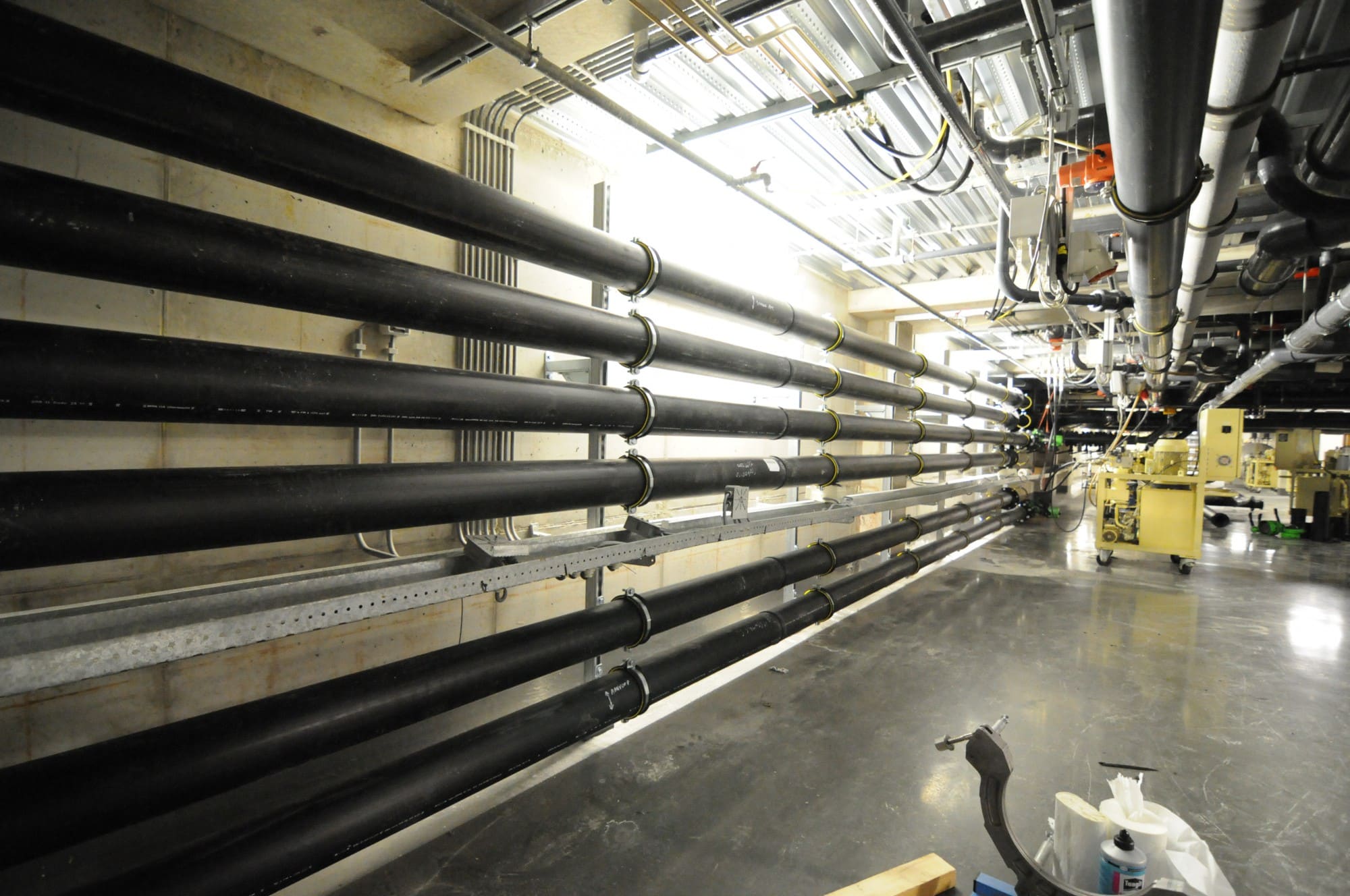
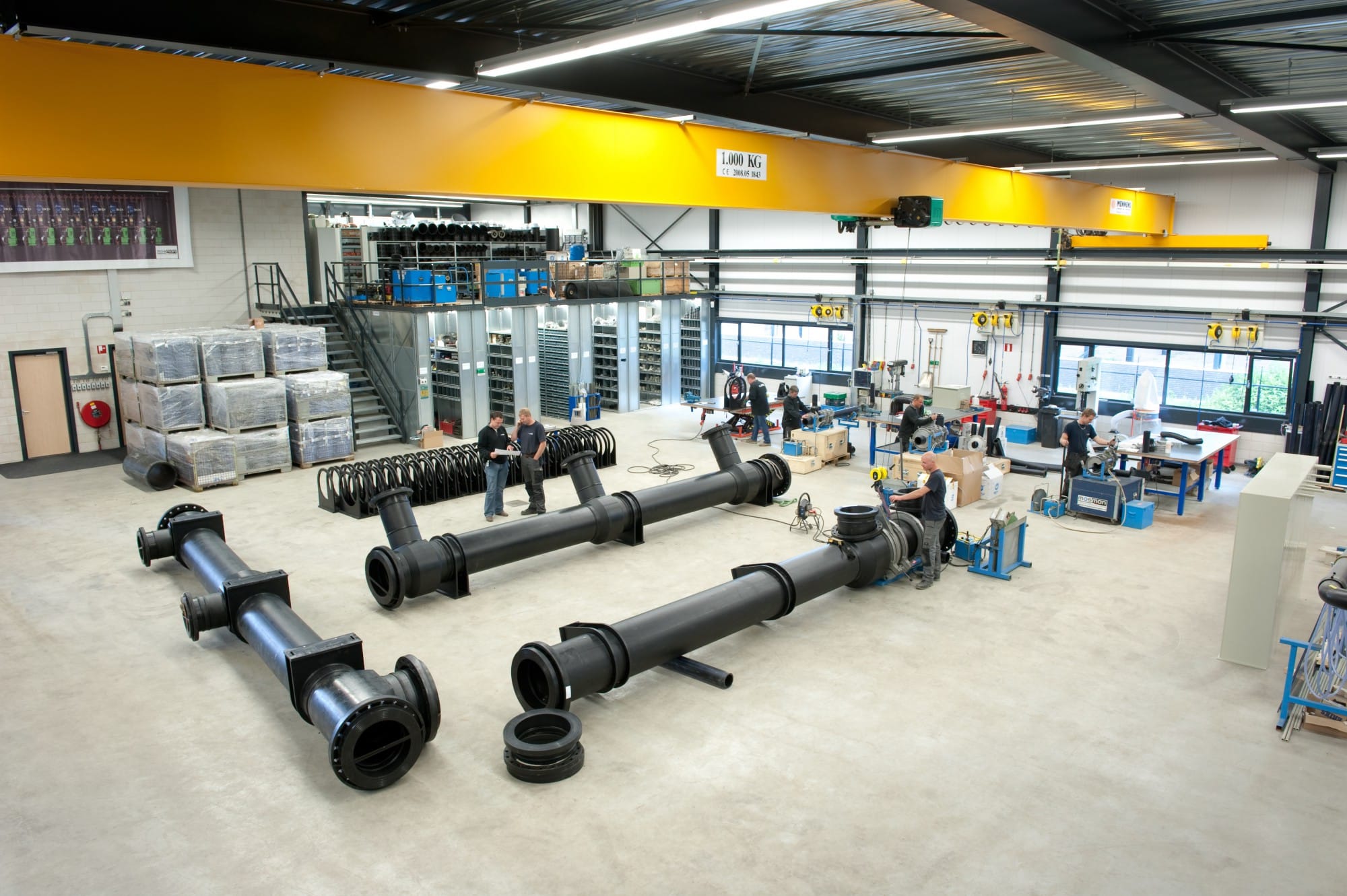
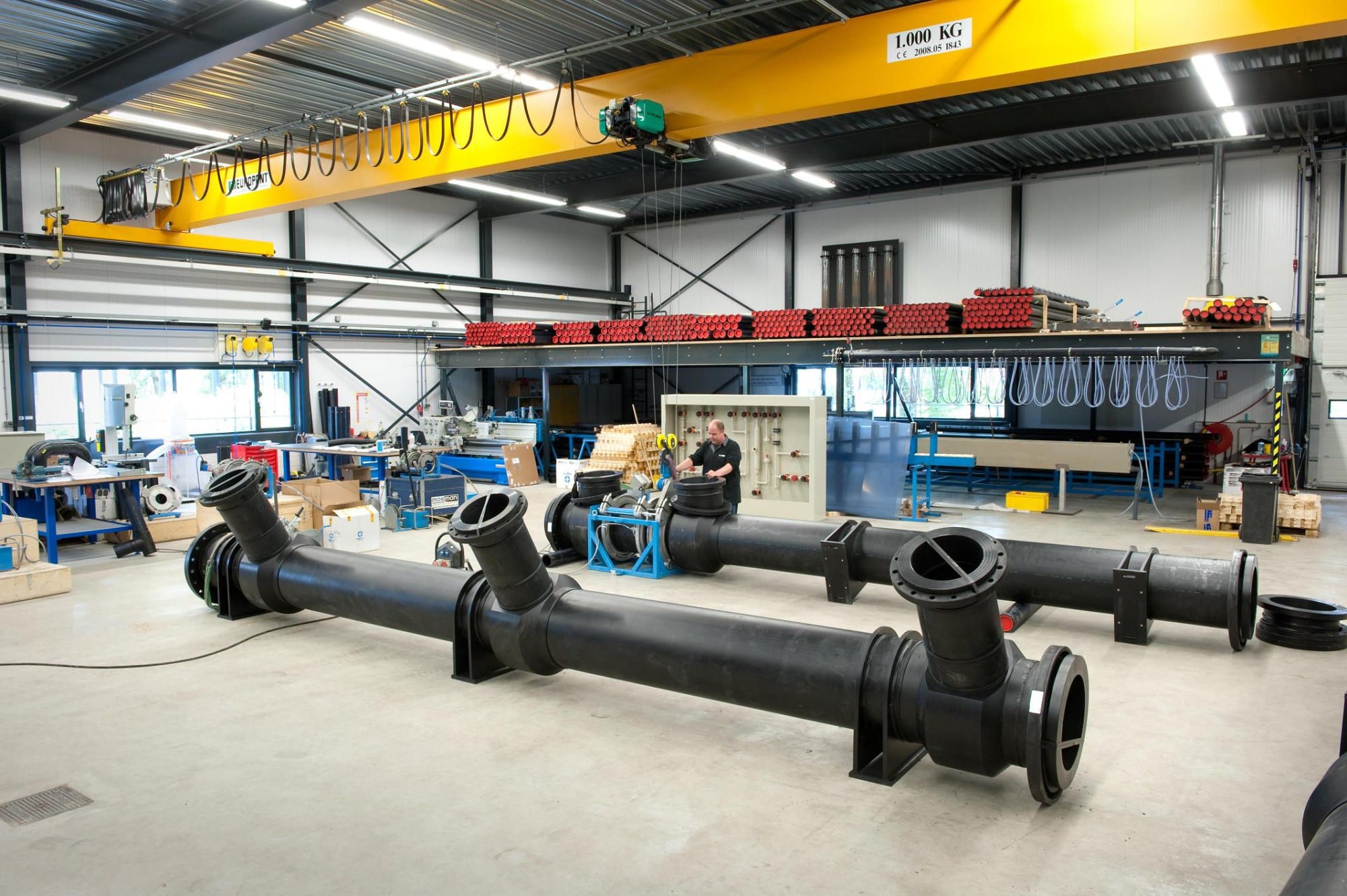
Pipe systems
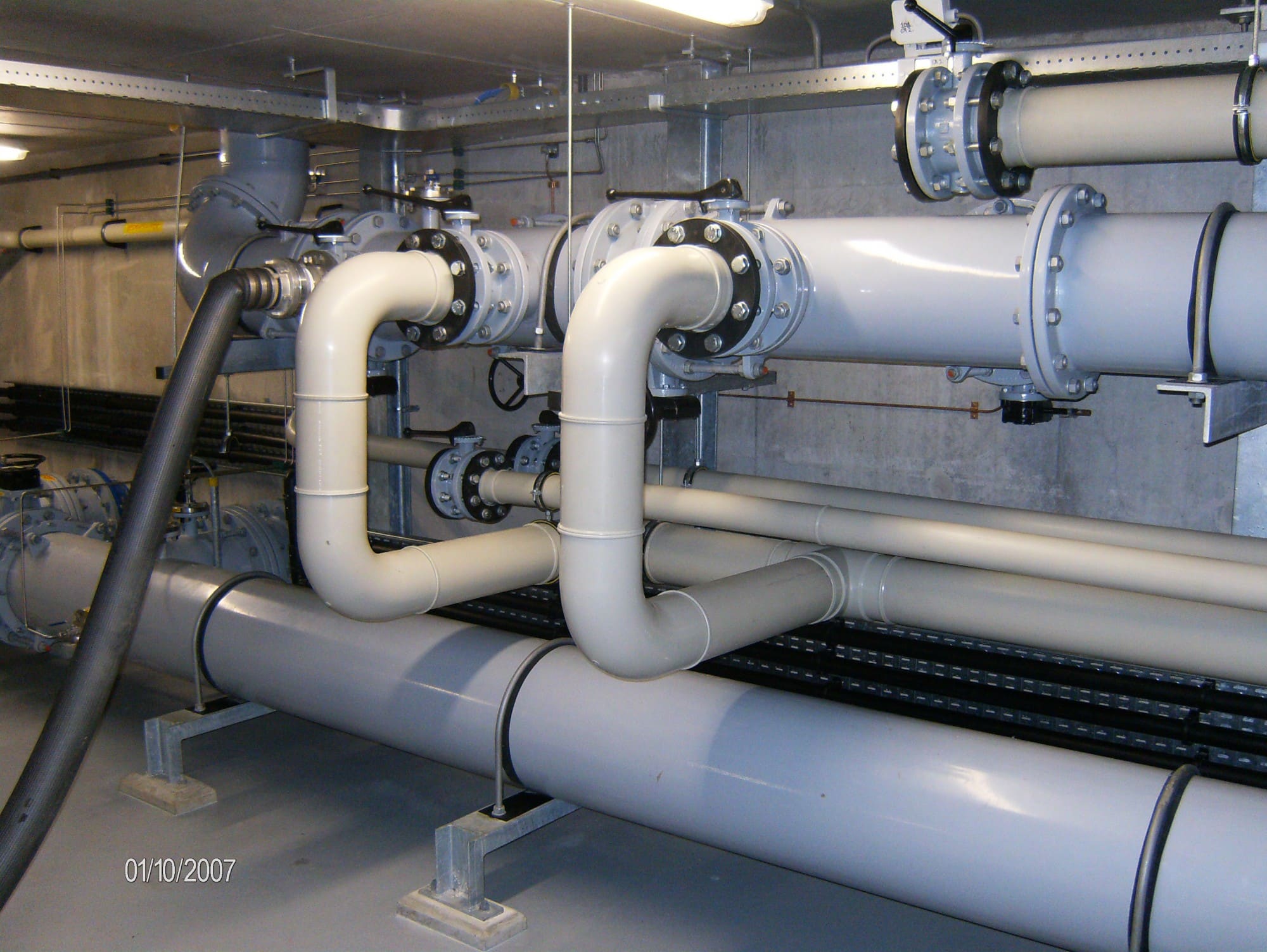
Pipes that meet the latest safety and environmental requirements must be made of high-quality plastic. Materials such as steel and stainless steel, for example, have limited resistance to chemicals and will therefore eventually show wear. It goes without saying that this entails major risks in the long term. Plastic piping systems offer a solution.
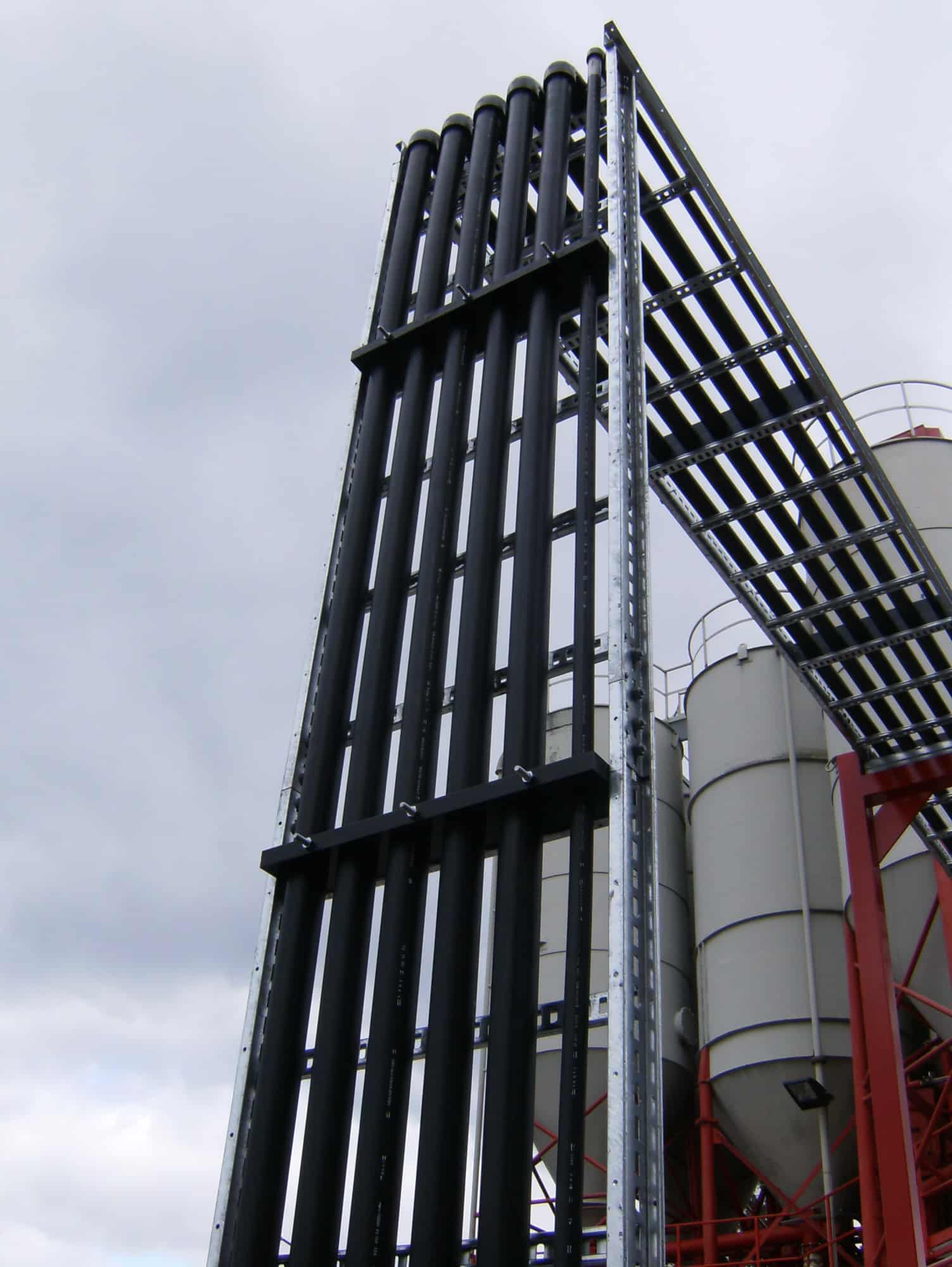
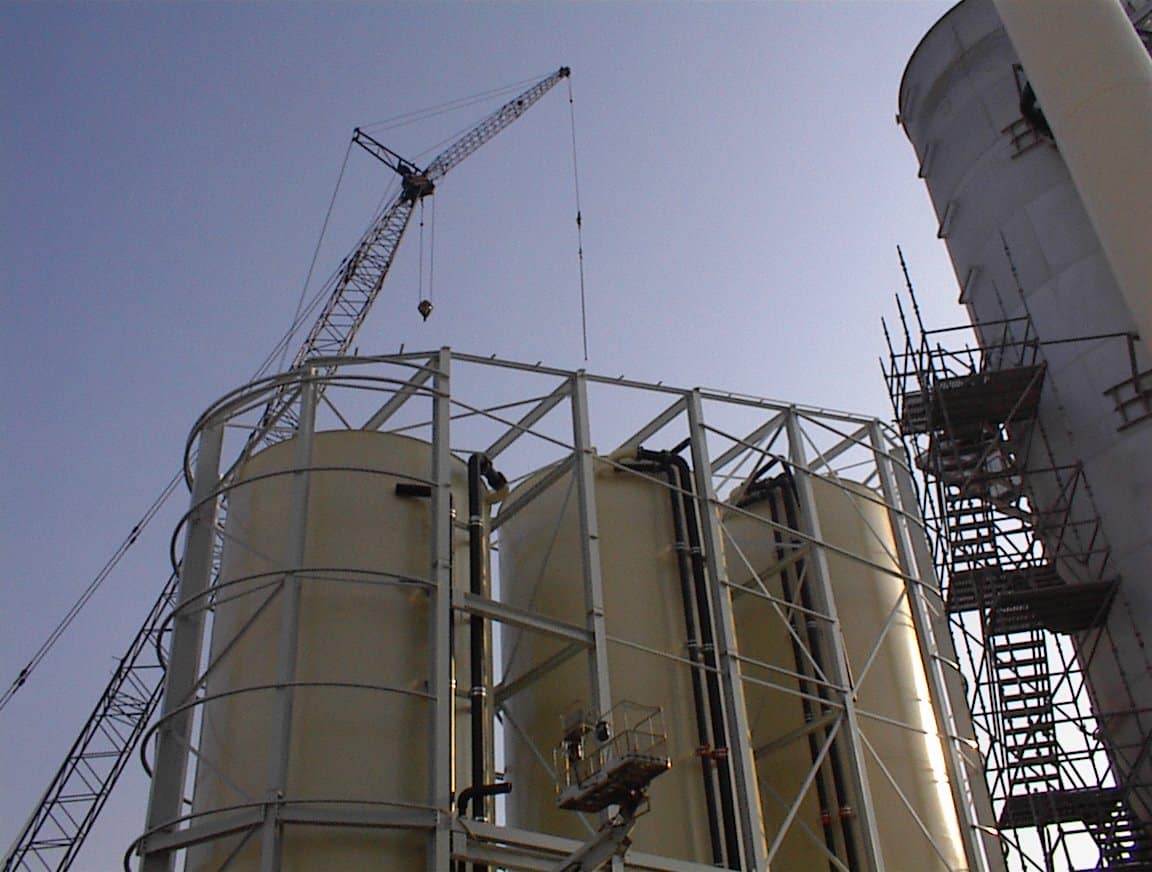
Due to its high-quality properties, plastics have been used for years for plastic piping systems in various sectors. Plastic piping systems are used much more often both above and below ground. This is due to the high chemical resistance, durability, light weight, high impact resistance and flexibility. Because they are insensitive to corrosion, they are also low maintenance.
Shapes and sizes
Plastic piping systems come in many shapes and sizes. They can be used for chemicals or industrial process extraction, but also for water. Mosman engineers are specialized in determining the right plastic piping systems based on the requirements. For water supply companies or companies where a lot of water is used in the production process, this will often come down to special plastic water supply systems.
In the case of water supply systems, a single-walled version will be used. After all, (unprocessed) water is not a hazardous substance and the risks for people, the environment and the surrounding area are therefore nil. This is in contrast to chemical-carrying systems, where safety is crucial. That is why double-walled plastic piping systems are used for the storage or transport of hazardous (chemical) substances.
High-quality piping
A main characteristic of plastic pipe systems is that they are resistant to internal stress. As a result, they can also be used for pressure lines and process extraction. There are two types of plastic pipe systems made of polypropylene (PP): pressure pipes and gravity pipes. A choice is made depending on the situation and the requirements.
Characteristic of PP is the chemical resistance in combination with a high temperature range. PP gravity pipes are available in full-walled and with a profiled wall. The advantage of this is that they are also suitable for external loads. For that reason, they are mainly used underground. Because of the flexibility of these plastic piping systems, PP (just like PE) does not develop cracks or fractures.
Engineering and Assembly
Mosman installs systems for a wide range of clients, both within and outside the chemical industry. We always work on a situation-specific basis. After all, every installation is different. That is why we carefully map out the business process together with you in advance. Based on this, the design phase is then started.
A tailor-made installation is designed and built on the basis of advanced 3D models and piping diagrams. To be allowed to do this, Mosman is in possession of the mandatory BRL SIKB 7800 certificate. As a client, this ensures that your new plastic piping systems or other installations meet the legal requirements in the field of safety and the environment.
BRL SIKB 7800 certified plastic pipe systems installed
Our certified engineers and installers install the right plastic piping systems for you, so that you are one hundred percent sure that you are on the right track when it comes to safety and the environment. The construction is tailor-made, so we draw up a tailor-made offer based on the specific requirements and wishes.
Are you curious about what Mosman can do for you in the field of plastic piping systems, or would you like more personal information about the construction, installation or construction of one of the systems? Please contact us: +31(0)74 8 510 510, or fill in the contact form on our website.
Information about plastics
What is Plastic?
The exact definition of plastic is difficult to give in short. The original and common name plastic indicates that it concerns plastic materials and is therefore (de)formable. You also see the word “art” in the word “artificial”. Plastics are therefore also moldable and synthetic substances. Plastics are made up of chains of long molecules. These chains are called macromolecules and almost all contain carbon, which generally makes plastic organic.
So we can say that plastic:
- Partially or wholly obtained artificially
- The synthesis consists of raw materials from nature such as natural gas, petroleum, water.
- Consists of long chains or macromolecules.
- Contains carbon and is therefore organically grounded, with the exception of silicone.
- is deformable and that this takes place under the influence of heat and pressure.
- Is liquid during processing or arising.
Two main groups
Thermoplastics
These are plastics that, under the influence of heat and pressure, can theoretically be formed or deformed indefinitely. Examples are: PVC, Polyethylene, Acrylate, Nylon. polycarbonate plates.
Thermosets
These are plastics where the formability can only be adjusted once, also under the influence of heat and pressure. Once a certain shape has been given to it, it is unchangeable, even if pressure or heat is applied again. Examples of this are the materials Hard fabric and HPL. Because the structure of these materials differs, a different kind of behavior takes place. As mentioned earlier, plastic consists of large chains of molecules, the macromolecules. The thermoplastics have 2 types of structure forms, the crystalline and the amorphous structure forms.
Structures
As mentioned earlier, there are two structures in thermoplastics, the crystalline and the amorphous. The structure of crystalline plastics contains molecular chains, most of which are parallel to each other. In the amorphous, on the other hand, the molecular chains are criss-crossed, which makes them easily movable when heated.
The macromolecules of the thermosets are also scattered all over each other. The difference is that at every intersection of molecules there is a mutual connection. A structural connection like this is also called a three-dimensional network.
Behavior and Heating
As the temperature gets higher and higher, the behavior of the different types of plastic differs. In the first phase, the above three structures almost retain their rigidity. This first phase is also called the glass phase. When the temperature is further increased, a difference takes place in the different structures. The thermoset continues to follow the same line. The thermoplastic structures, on the other hand, show signs of softening. In crystalline structures, this phase, also called rubber phase, is considerably smaller than in amorphous structures. In this phase, a thermoplastic sheet can be deformed.
The next phase, the melting or flow phase, is reached by increasing the temperature even further. Thermoplastics will melt and can be put into a mold or mold under pressure. After cooling, the thermoplastic will retain its shape. The thermoset, on the other hand, collapses at the end of the melting phase and, due to its three-dimensional network structure, immediately decomposes.
When the thermoplastics, both crystalline and amorphous, cool back to the initial temperature, they go through the phases in reverse order. This process can, in theory, be repeated indefinitely without the material suffering. However, there is a caveat to this never-ending process. As this occurs more often, external influences, including dust and grease, will cause contamination in the material. This contamination has a strong influence on the quality of the plastic. The different behaviors are also very important for the processing of thermoplastics and thermosets. The thermoplastic plastics are chemically completely complete. This means that they need to be heated until they start to melt. Then made into the desired shape. On which the plastic is ready after cooling. Thermosets are officially only thermosets after the raw material has been heated and formed under pressure. For this they are chemically not yet a thermoset. The reason why this is done is because a thermoset once melted and formed cannot be deformed again.
